.
.

Beschreibung
Historischer Kontext & Bedeutung
Diese Silbermünze ist ein bedeutendes Zeugnis der wirtschaftlichen und politischen Blütezeit des Fürstentums Moldau unter Stefan dem Großen. Während seiner fast 50-jährigen Herrschaft festigte Stefan nicht nur die Unabhängigkeit seines Landes gegen das Osmanische Reich, Polen und Ungarn, sondern reformierte auch das Währungssystem grundlegend.
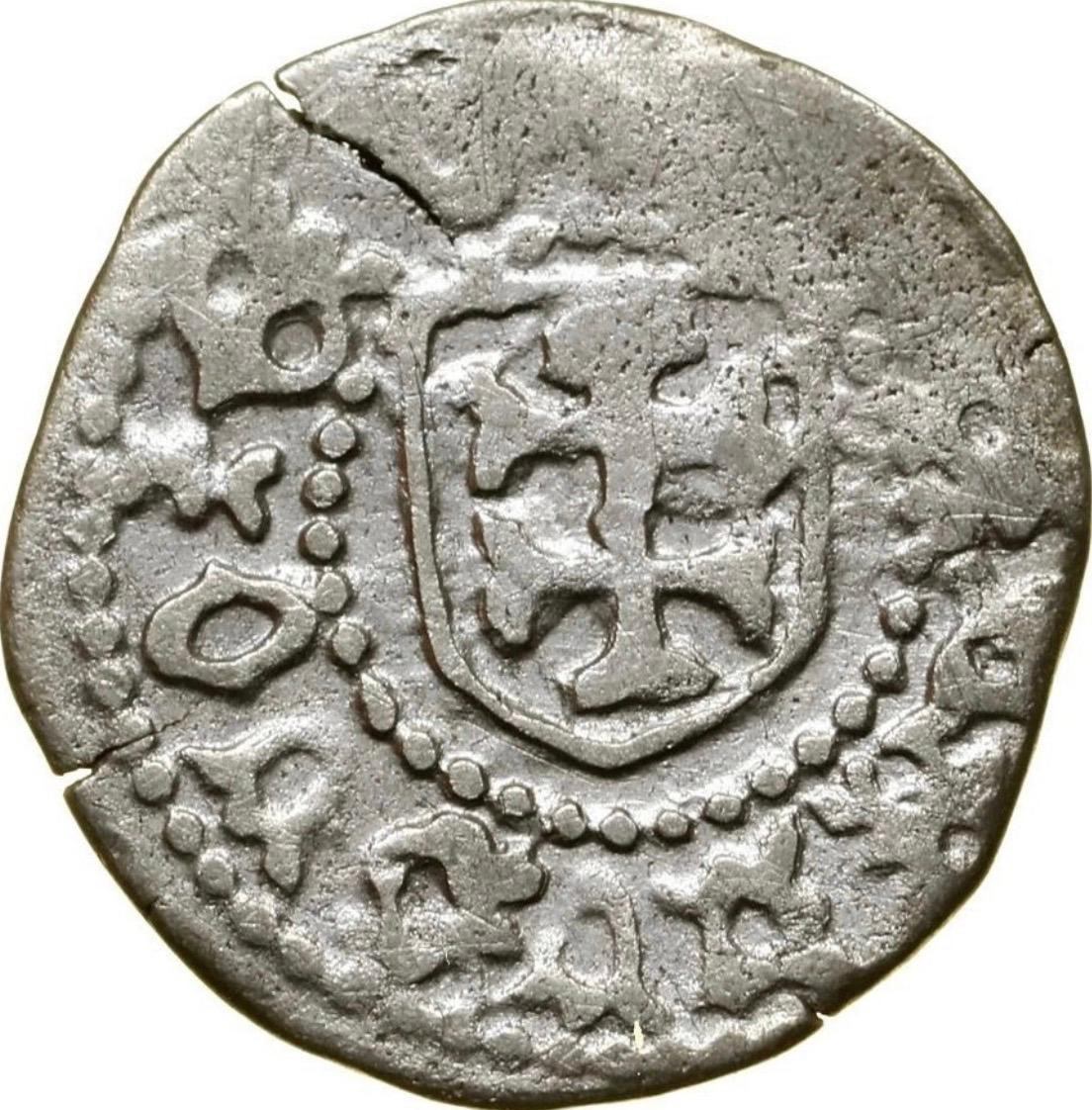
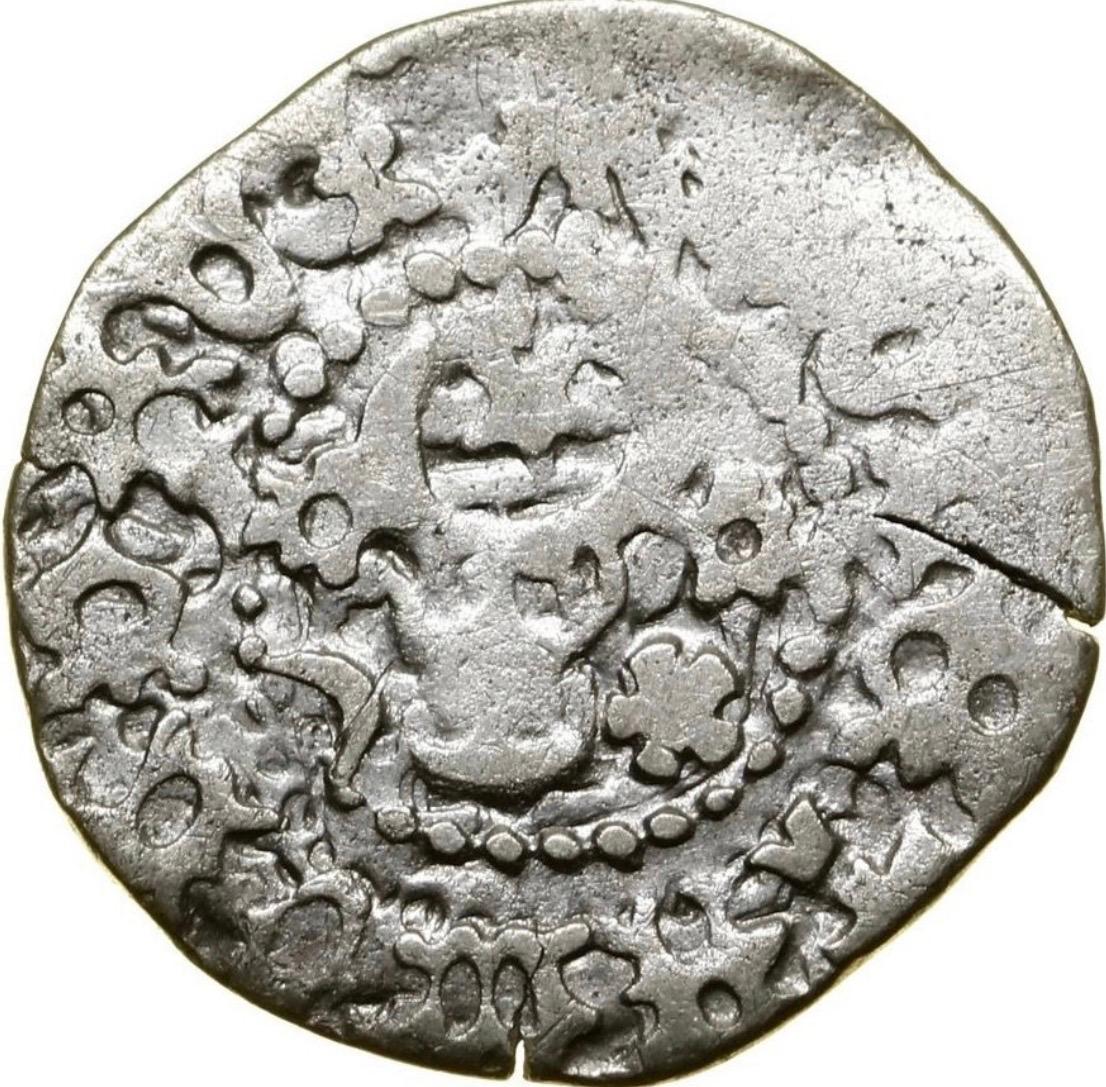
Der Typ IIa zeichnet sich durch eine besonders feine kunsthandwerkliche Ausführung aus und spiegelt den europäischen Einfluss auf die moldauische Heraldik wider (insbesondere durch die Lilien und den gotischen Schild). Die Münzen wurden in der landesherrlichen Münzstätte in der damaligen Hauptstadt Suceava geschlagen.
Der moldauische Groschen war im regionalen Handel ein stabiles und geschätztes Zahlungsmittel. Da Stefan der Große in über 40 Schlachten die christlichen Grenzen verteidigte und vom Papst als „Athleta Christi“ (Mitstreiter Christi) geehrt wurde, finanzierte das Silber aus Münzen wie dieser auch den Bau zahlreicher der berühmten moldauischen Klöster und Wehrkirchen.
Konservatorischer Hinweis: Die leichte Patina und die unregelmäßige Rundung des Schrötlings sind charakteristisch für die mittelalterliche Hammerprägung, bei der die Münzen von Hand mit dem Oberstempel auf den Silberrohling geschlagen wurden.

Descriere
Context istoric & Semnificație
Această monedă de argint este o mărturie importantă a perioadei de înflorire economică și politică a Principatului Moldovei sub Ștefan cel Mare. În timpul domniei sale de aproape 50 de ani, Ștefan nu doar că a consolidat independența țării sale în fața Imperiului Otoman, Poloniei și Ungariei, dar a reformat și sistemul monetar în mod fundamental.
Tipul IIa se remarcă printr-o execuție artistică deosebit de fină și reflectă influența europeană asupra heraldicii moldovenești (în special prin crini și scutul gotic). Monedele au fost bătute în monetăria domnească din capitala de atunci, Suceava.
Grosul moldovenesc era un mijloc de plată stabil și apreciat în comerțul regional. Deoarece Ștefan cel Mare a apărat granițele creștine în peste 40 de bătălii și a fost numit de Papă „Athleta Christi” (Atletul lui Hristos), argintul din monede precum aceasta a finanțat și construcția a numeroase mănăstiri și biserici fortificate celebre din Moldova.
Notă de conservare: Patina ușoară și rotunjimea neregulată a flanului sunt caracteristice pentru baterea medievală cu ciocanul, procedeu prin care monedele erau lovite manual cu stanța superioară pe blancul de argint.

Description
Historical Context & Significance
This silver coin is an important testament to the economic and political golden age of the Principality of Moldavia under Stephen the Great. During his reign of nearly 50 years, Stephen not only consolidated his country's independence against the Ottoman Empire, Poland, and Hungary, but also fundamentally reformed the monetary system.
Type IIa is characterized by a particularly fine artistic execution and reflects the European influence on Moldavian heraldry (especially through the fleurs-de-lis and the Gothic shield). The coins were struck at the princely mint in the former capital of Suceava.
The Moldavian groschen (gros) was a stable and highly valued medium of exchange in regional trade. Since Stephen the Great defended the Christian borders in over 40 battles and was honored by the Pope as "Athleta Christi" (Champion of Christ), the silver from coins like this one also funded the construction of numerous famous Moldavian monasteries and fortified churches.
Conservation Note: The light patina and the irregular roundness of the planchet (flan) are characteristic of medieval hammered coinage, a process where the coins were struck by hand with the upper die onto the silver blank.
Wir benötigen Ihre Zustimmung zum Laden der Übersetzungen
Wir nutzen einen Drittanbieter-Service, um den Inhalt der Website zu übersetzen, der möglicherweise Daten über Ihre Aktivitäten sammelt. Bitte überprüfen Sie die Details in der Datenschutzerklärung und akzeptieren Sie den Dienst, um die Übersetzungen zu sehen.